Tough and timeless, this polo is built for the long ride. Featuring a crisp, non-collapsing collar and a rugged, stretchy fabric, it's the perfect shirt for any cowboy's wardrobe.
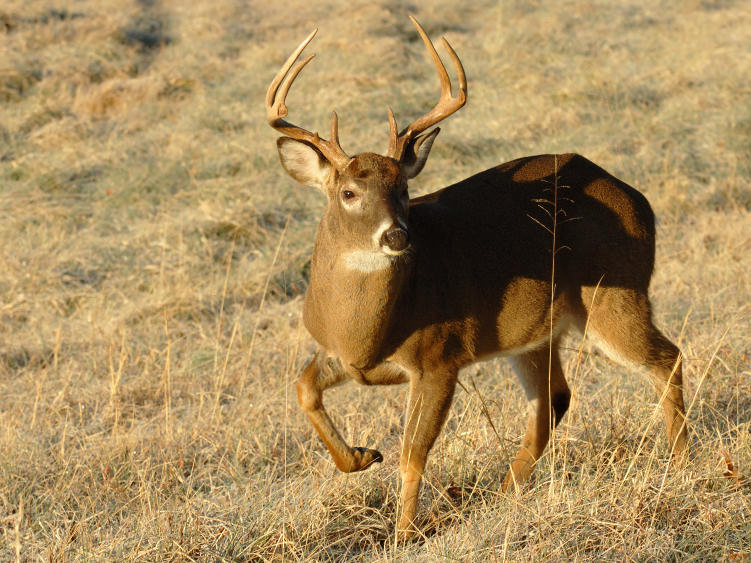
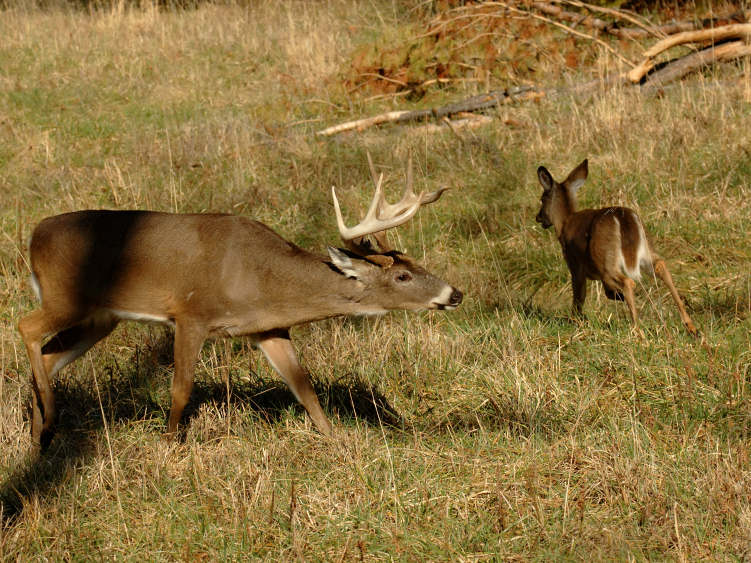
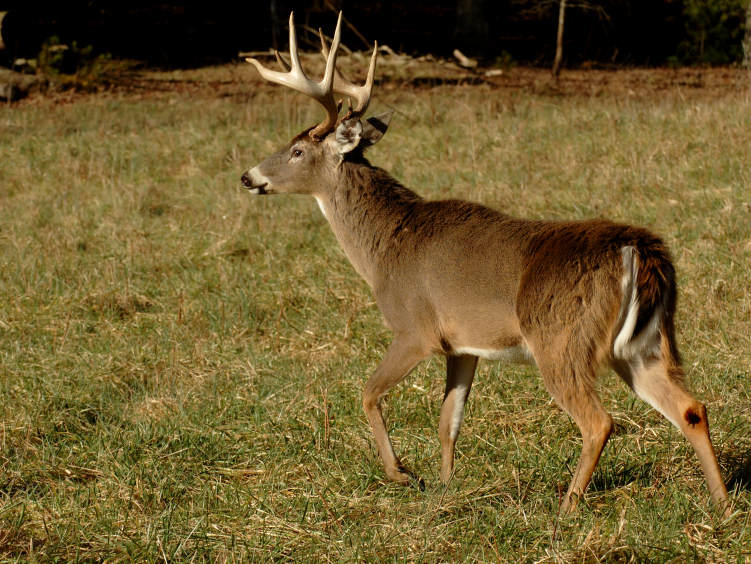
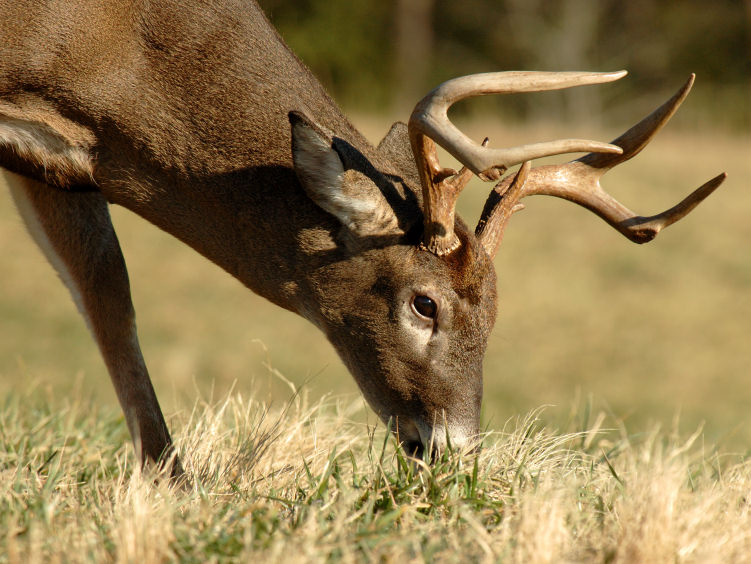
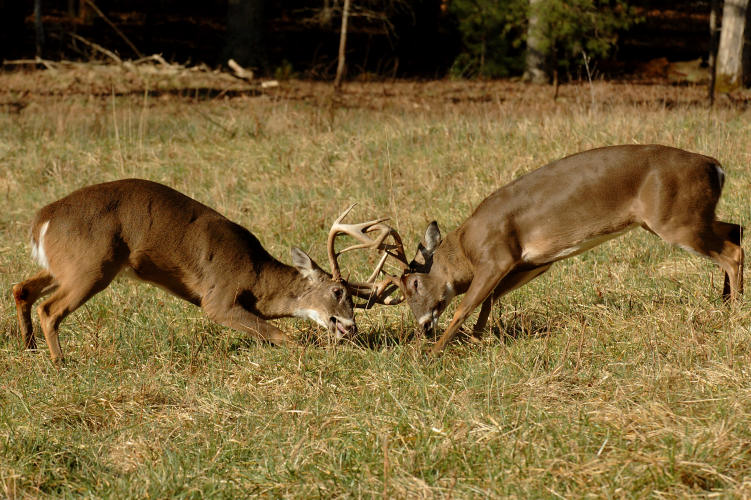
In January 2007 Dick Vance was driving through the Smoky Mountains National Park in Tennessee when he spotted a nice buck in a field. A little ways farther down the road he saw another buck that was tending to a doe. In a flash, the first buck cut across the road and squared off against the stud with does. An epic battle that lasted about 50 minutes ensued and Vance caught the whole thing on camera. To provide some background to this photo series, we interviewed renowned whitetail biologist Grant Woods who explains the intricacies of why bucks fight and how deer establish dominance. Woods has gathered his data through years of following radio collared deer, GPS tracking deer and observing deer behavior in pens. All photos by Dick VanceAccording to Woods, it's a myth that whitetails fight over territory. Unlike predators such as wolves or lions, deer don't stake out territory and defend it. However, bucks will fight over receptive does. But even in the heat of the rut, not all deer are fighters. "Deer are like humans," Woods says. "Some are bullies … some avoid fights." Bucks are most likely to fight at age three, just before they reach full maturity and have the run of the herd. However, this depends on age structure in the area. In some places, usually areas with extra high hunting pressure, three-year-olds are the oldest bucks in the woods, making them the dominat deer. In this case, the two-year-old bucks would be more likely to engage in a fight, trying to win their spot at the top. Three-year-old bucks are close to becoming the dominant buck but they're probably not there yet. "These bucks want to be on the top of the ladder," Woods says. "They've been getting pushed around for the last three and a half years." https://www.outdoorlife.com/photos/gallery/hunting/whitetail-deer/rut/2011/09/photos-anatomy-buck-fight/