Bass Facts and Myths: 19 Things You Didn t Know About Bass

bass fishing facts
Bass fishing is easy during the beginning of summer when the fish are up and the weather is comfortable. But now summer is burning to an end. Water levels are low, dissolved oxygen is low, and the mercury is up. To catch bass now you need to put everything you know into action. This gallery will help you sort out what you know about largemouth and smallmouth bass and what you don't. Wikimedia
bass fishing facts
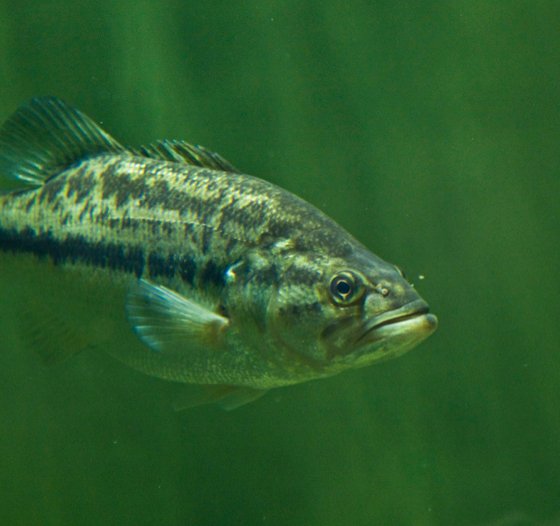
Fact: TRUE. Bass lack eyelids and their iris is fixed, so bass cannot adjust the amount of light reaching the retina (the layer of photoreceptor nerve cells in the back of the eye). BUT, bright light does not hurt their eyes. The amount of light reaching the photoreceptor cells is regulated by the amount of dark pigment in the cells surrounding the photoreceptors. jprime84
bass fishing facts
Fact: Largemouth bass prefer temperatures of 82 to 84 degrees Fahrenheit, smallmouth a couple degrees cooler. But what does prefer mean? Everything else being equal, this is the temperature they occupy if available. However, bass function quite well from 39 to 90 degrees Fahrenheit. OL
bass fishing facts
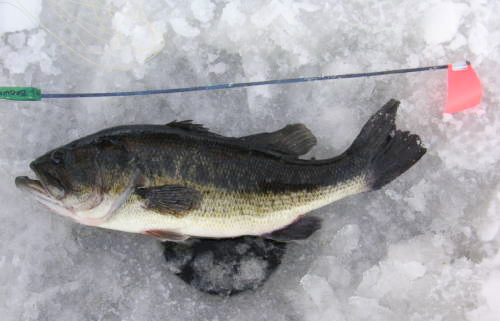
Fact: Bass consume less food in cold water, but they still feed. OL
bass fishing facts
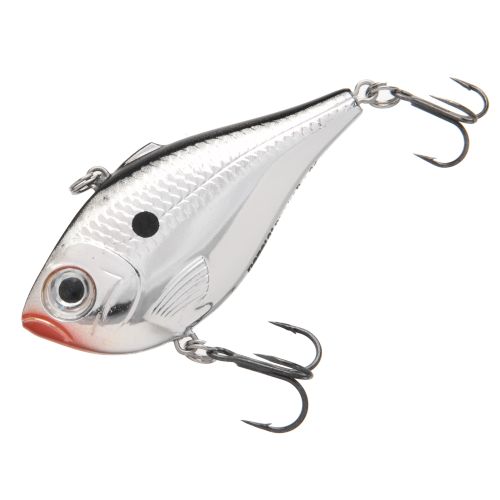
Fact: It's always a good idea to try a slow retrieve, even dead-stick a lure, to entice a strike in cold water; but it's not because a bass can't catch a fast-moving bait. There isn't a reel made that can burn a lipless crankbait faster than a bass can swim, even in cold water. OL
bass fishing factshttps://www.outdoorlife.com/photos/gallery/fishing/freshwater/largemouth-bass/2012/08/bass-facts-and-myths-19-things-you-didnt-k/

Leave a comment

Your email address will not be published. Required fields are marked *