
The lore of the wilderness has seeped into many different facets of modern life. From movies, TV shows, and even cartoons, we may think we’ve picked up some handy tips about how to survive in the wild. But does pop-culture wisdom really pan out? Not always. Here are 26 common outdoor survival myths that are retold so often, you might already believe them.
MYTHS ABOUT THE COLD
1. Rub frostbitten skin
Don’t. Ever. Frostbite occurs when ice crystals form in your skin and other tissues. Rubbing the injury causes more tissue damage as the ice crystals lacerate new cells. Instead, treat the victim with painkillers as you slowly rewarm the tissue—frostbite hurts!
2. Drinking liquor will warm you up
We’ve probably all seen the cartoon depicting a Saint Bernard dog with a cask of brandy around his neck reviving some avalanche victim. But liquor is the last drink you need in a cold-weather survival scenario. Although you may feel warmer, alcohol actually dilates skin-surface blood vessels and capillaries, which will chill your core even faster. Instead, drink hot tea or cocoa.
3. All base layers work equally well

Not true. Cotton kills—or, at least, could lead to hypothermia if you rely on it as your primary base layer in cold weather. It’s a great fabric to wear around the house, and it has great applications in hot, dry climates. But once cotton gets wet, it loses its insulating properties. Before you even break a sweat, normal skin moisture will soak into the cotton fibers and start to cool your body through conduction. These fibers can hold up to 27 times their weight in water and then store that moisture up to eight times longer than synthetics or wool. This doesn’t just leave you feeling clammy—it steals vital heat from your core. If it’s cold enough for long johns, then it’s too cold for cotton.
The Midnight Troubadour

Tough and timeless, this polo is built for the long ride. Featuring a crisp, non-collapsing collar and a rugged, stretchy fabric, it's the perfect shirt for any cowboy's wardrobe.
4. Don’t feed a victim of hypothermia
Normal shock treatment and hypothermia treatment are different—you don’t, for example, want to feed someone who may be going into shock because he can vomit and choke while unconscious. However, in mild to moderate hypothermia cases, high-calorie foods can be given in small, repeated doses to create metabolic heat in the victim and help him restore his own heat-generating ability.
5. Let a hypothermic victim get some sleep
After the shivering, confusion, slurred speech, and clumsiness of hypothermia have manifested, an exposure victim also gets drowsy. This is a serious warning sign because sleep can lead to death. Keep the victim awake as you warm him up.
6. A hot tub will cure hypothermia
Rewarming is the main way to treat someone whose core temperature has dipped far below 98.6 degrees. But dropping somebody in a Jacuzzi will cause excruciating pain and can even trigger a heart attack. Instead, put hot-water bottles in both armpits, or use skin-to-skin rewarming. Never use a high-heat source to treat a hypothermic person.
MYTHS ABOUT WILD ANIMALS
7. Eating raw meat and seafood is safe
Not really. We’ve all seen the survival show with a charismatic host scarfing down some poor live animal. This may be safe once in a while, but it’s hardly a technique to emulate. Raw animal flesh can contain pathogens that may attack the human body, resulting in an extended-onset condition that’s difficult to diagnose. What about sushi, you say? Plenty of folks eat raw fish and don’t seem to get sick. Some raw seafood that comes from saltwater is safe for human consumption, but it’s only because their pathogens aren’t very compatible with the human body. The worms in sushi and the bacteria in oysters aren’t usually the right species to take up residence in a human host. Play it safe: Kill it and cook it before you eat it.
8. You can eat anything animals eat
Despite our shared biology, there’s still a massive difference between humans and other animals. Some animals might eat plants that happen to be edible to humans, but these same animals can also eat plants that are dangerous to us. Birds are the worst animals to emulate, as they gobble up a variety of berries, many of which could either nourish us or kill us. Even mammals such as squirrels, which normally eat nuts that are safe for human consumption, will occasionally munch on mushrooms and nuts that are toxic to humans. Just because an animal ate it doesn’t mean that you can.
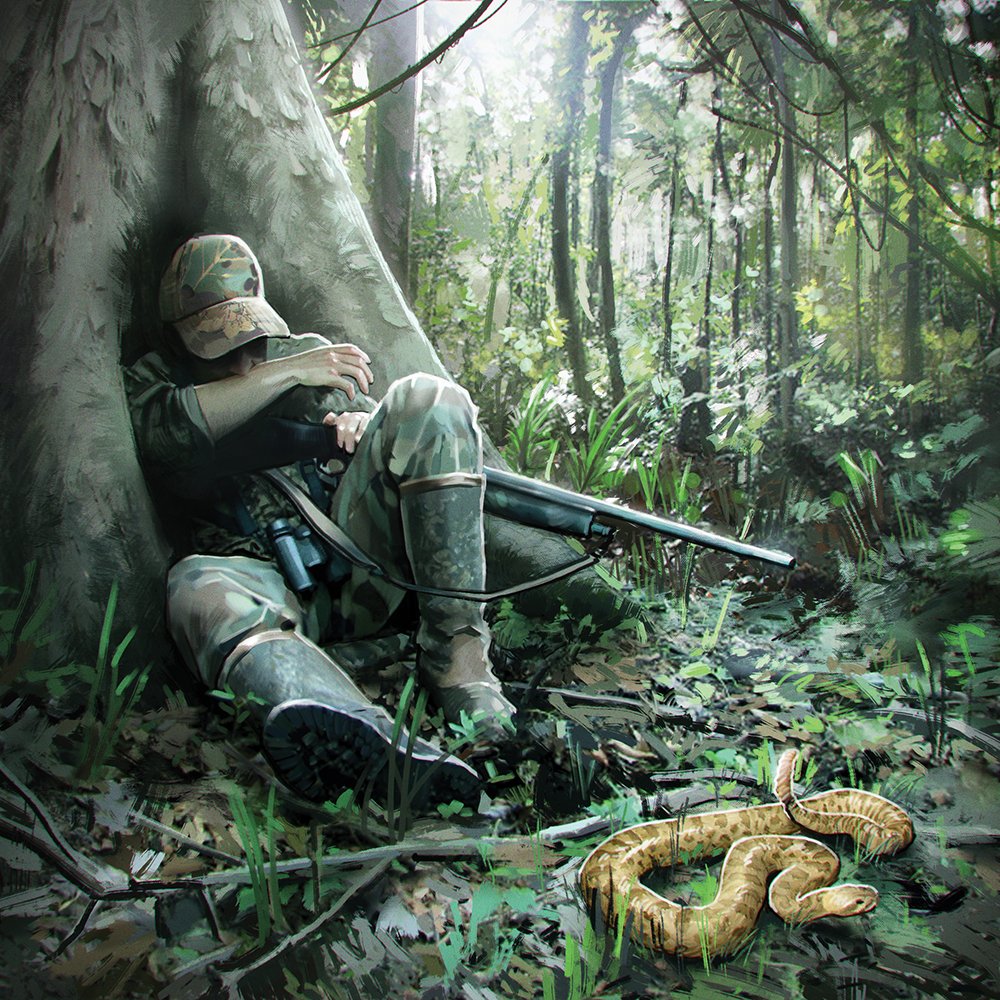
9. Cut and suck a snakebite
 https://www.outdoorlife.com/articles/survival/2016/04/dead-wrong-26-survival-myths-can-get-you-killed/