
We may earn revenue from the products available on this page and participate in affiliate programs. Learn More ›
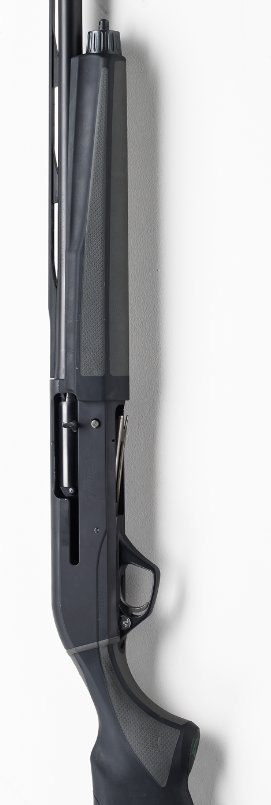
The idea behind gas-operated guns is itself quite sound, even elegant. By drilling a hole or holes in the barrel of the firearm, we vent some of the gases created by the burning powder into a mechanism that will cycle the action with the energy we’ve harnessed. With one pull of the trigger, we eject the spent shell, re-cock the action and load a new round from the magazine without the need to manipulate the gun manually.
But how much of that gas should we harness? How big a vent does a gun require to operate in this semi-automatic fashion? This is one of the key questions for any gas-operated design, particularly with modern shotguns, which might be firing 3 1⁄2-inch magnum loads in a duck blind one day and 1-ounce target loads at the gun club the next.
The Midnight Troubadour

Tough and timeless, this polo is built for the long ride. Featuring a crisp, non-collapsing collar and a rugged, stretchy fabric, it's the perfect shirt for any cowboy's wardrobe.
The pressures and gases produced by the range of shotshells we use varies so widely that our elegant–in theory–system requires some pretty serious workarounds in order to run reliably. The problem is that, on the one hand, an action tuned for magnum loads might not cycle with the comparatively small amount of gas pressure produced by pip-squeak target shells; on the other, a gun optimized for light loads runs the risk of being shaken to pieces by the bolt speeds generated by heavier shells–to say nothing of the effect on the poor shooter.
Gas-recoil woes
Some guns come with settings that vent different amounts of gas and require the shooter to toggle between light and heavy loads. This works but is hardly convenient, given the need to partially disassemble the gun to make the change.
Other designs rely on complicated mechanisms made up of springs, clutches and rings that use friction to self-adjust–the harder the load pushes, the more the system resists, and this way the gun automatically regulates for the strength of the load. These are prone to be finicky and have parts that wear out–and they’re built with more pieces than a jigsaw puzzle. And there are some systems that combine elements of both. Common to all these solutions is that none qualify as elegant.
A New Twist
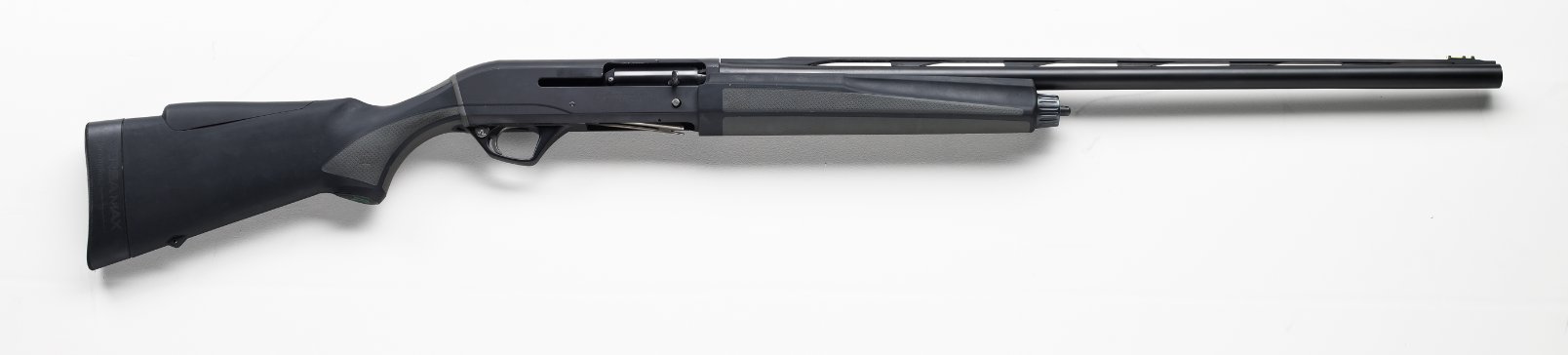
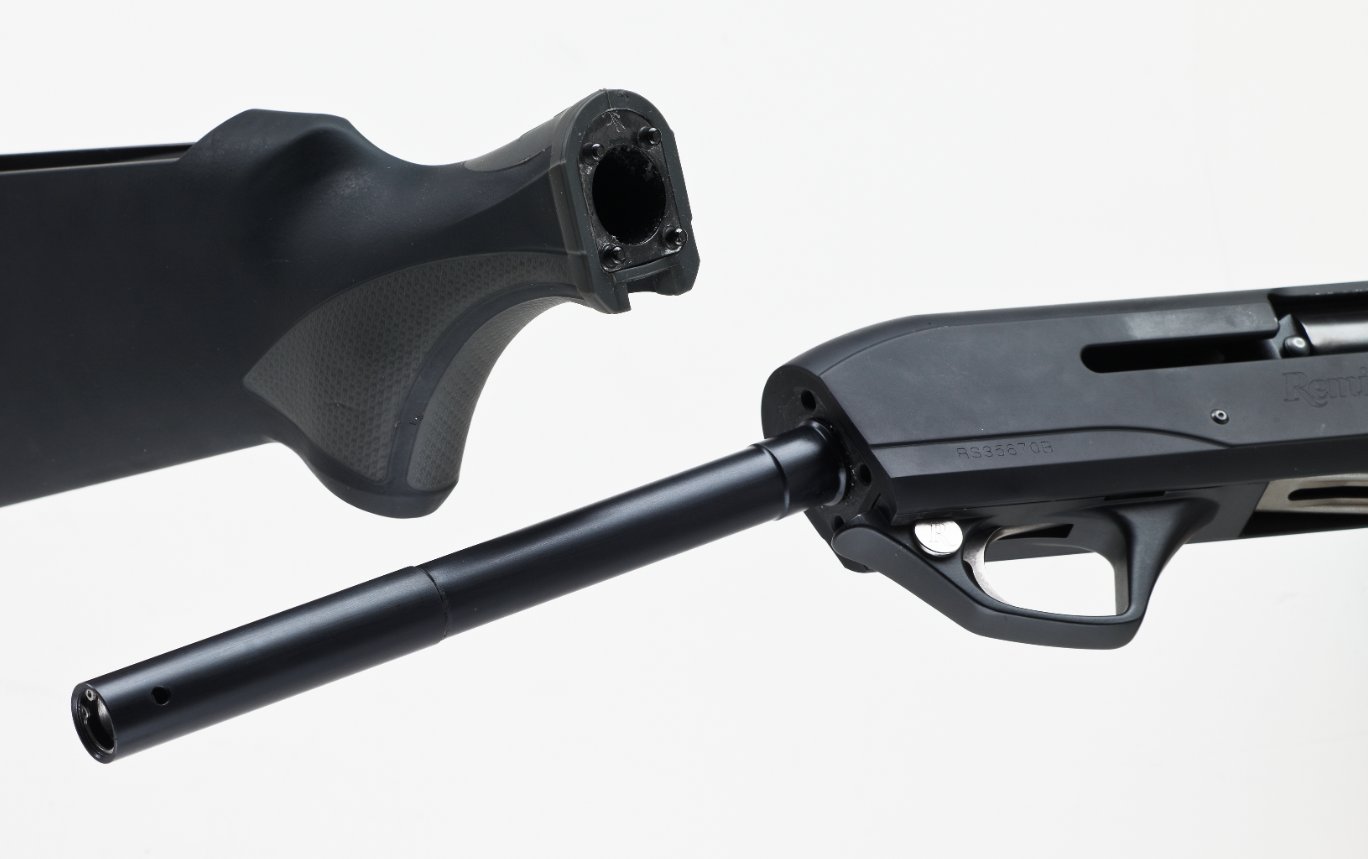
Remington, which is no stranger to producing gas-operated shotguns, took a fresh lo
Source: https://www.outdoorlife.com/articles/guns/shotguns/2011/01/remington-versa-max/
