Score Your Buck

httpswww.outdoorlife.comsitesoutdoorlife.comfilesimport2014importImage2010photo6Score-Typical_1.jpg
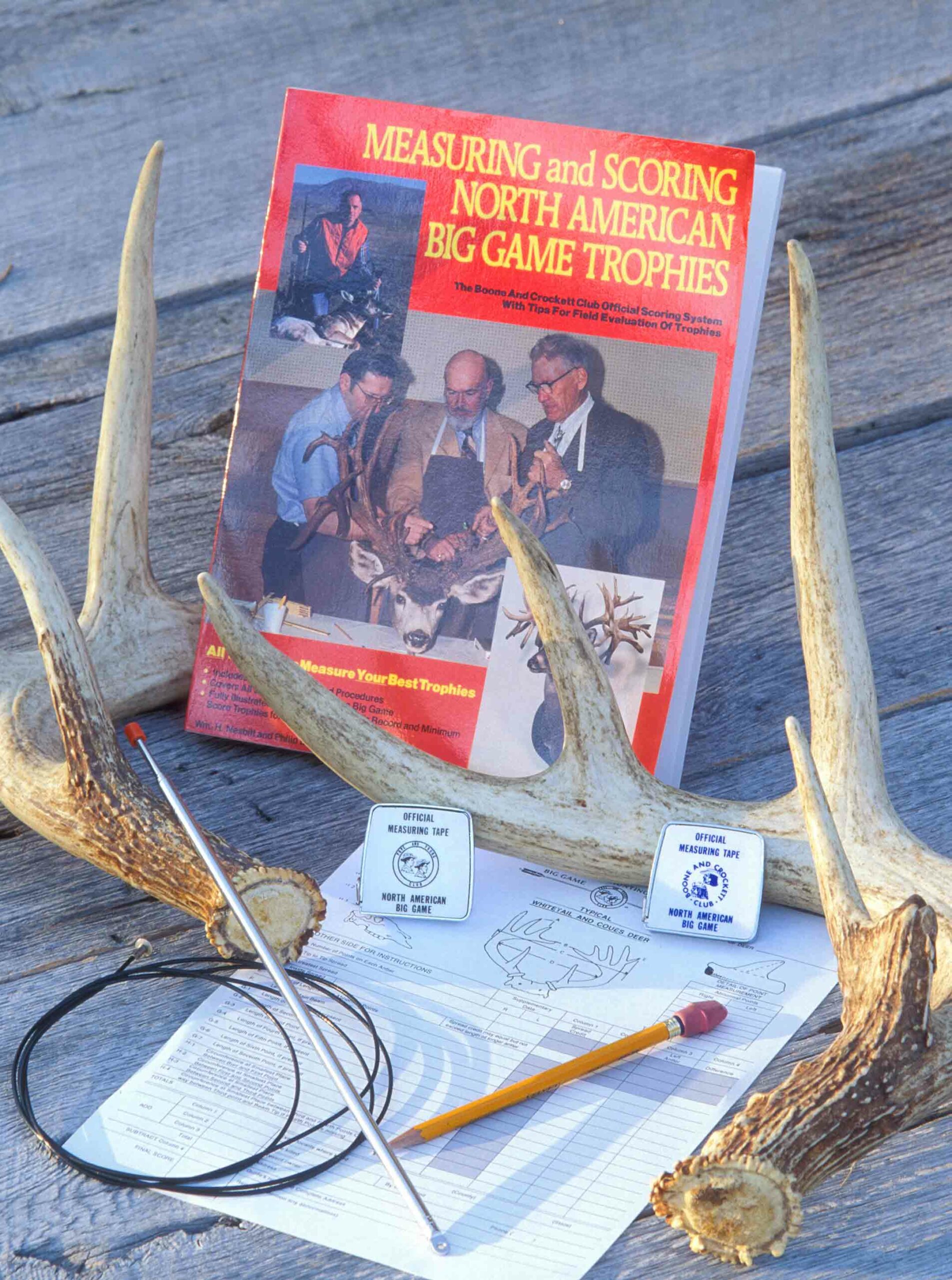
Scoring your own buck isn't difficult once you know the process. On a typical buck, the inside spread counts on the score. Main beam lengths also count, as do all typical tine lengths. Also, there are four circumference measurements that count on each main beam. This is true whether the deer is a spike or a typical 14-point buck. On a spike, you go half way out the main beam length, take this measurement and multiply by four. On an 8-point, you take the smallest circumference measurement between the burr and brow tine (G1), one between the G1 and G2 tines, the third circumference measurement between the G2 and G3 tines, and the last measurement comes half way between the centerline of the G3 tine and the end of the main beam. On a 10-point and up typical the fourth circumference measurement comes between the G3 and G4 tines. Once this is done, the main beam lengths, tine lengths, circumference measurements and inside spread are added together to obtain the gross typical score. Difference in symmetry between the lengths of the main beams, length of each corresponding tine, and the difference in corresponding circumferences are then totaled and this figure is deducted from the gross typical score. This gives us the final net typical score if the rack is a clean typical. If the deer has a small number of split tines, drop tines, or stickers, the total lengths of all of these tines are totaled and they also are deducted from the gross typical score. In cases where the split tines, drop tines and sticker points are considerable, then you will want to total these measurements and add them to the net typical score of the buck's typical frame. This gives the deer its non-typical score. Remember that a deer can be scored either way. Tools of the trade: A telescoping radio antenna, a bicycle cable, official 1/4 inch measuring tape (available from The Pope & Young Club or The Boone & Crockett Club), a lead pencil and the score sheet for a typical deer.
httpswww.outdoorlife.comsitesoutdoorlife.comfilesimport2014importImage2010photo6Score-Typical_2.jpg
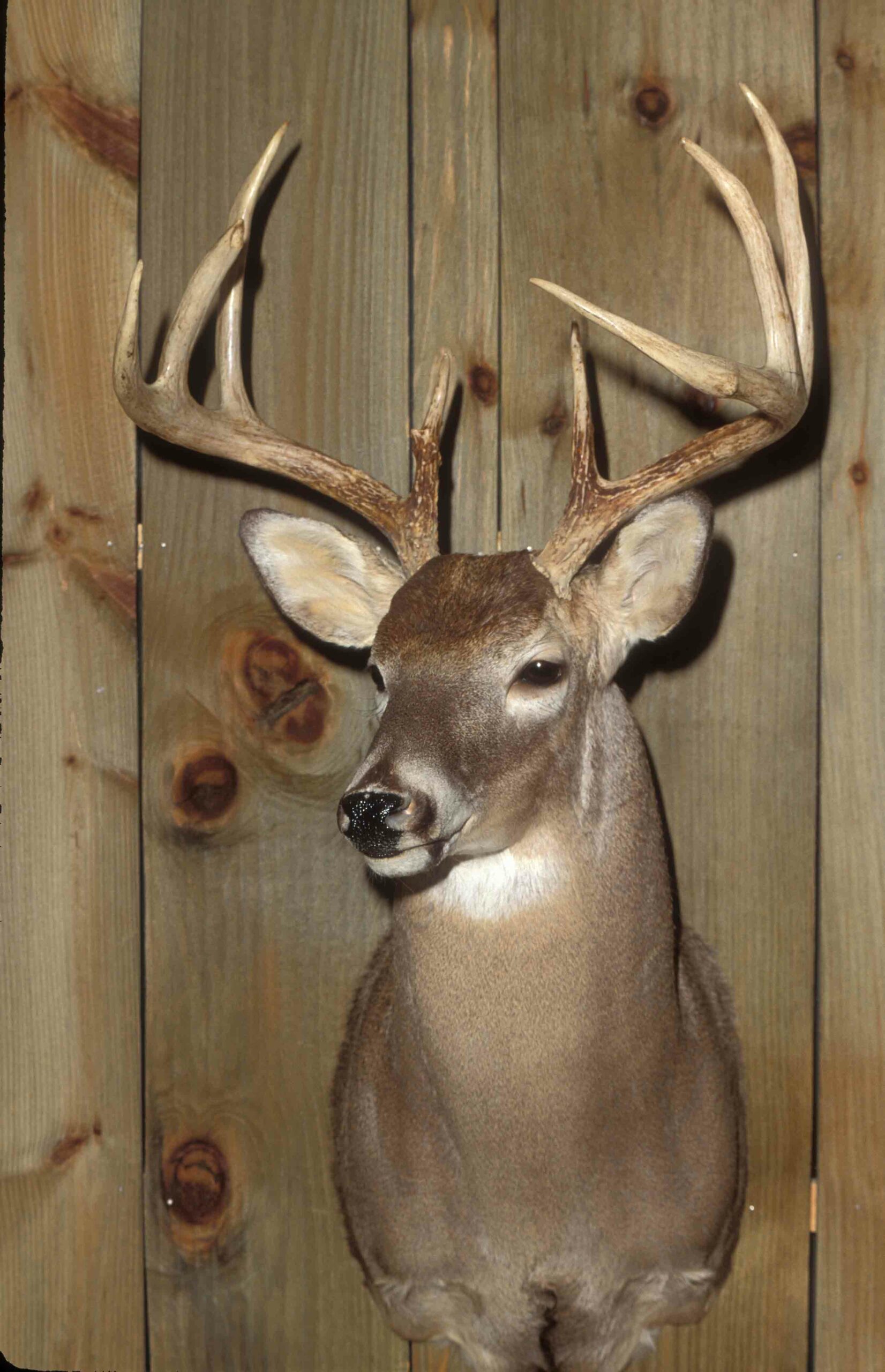
This is the deer we are going to score, a good clean 4 ½ year old, 8-point buck. By the way, this buck's net score is 137 inches even. Remember when scoring your buck that all measurements are to the nearest 1/8 inch.
httpswww.outdoorlife.comsitesoutdoorlife.comfilesimport2013images201012Score-Typical_4_0.jpghttps://www.outdoorlife.com/photos/gallery/hunting/2010/12/score-your-buck/

Leave a comment

Your email address will not be published. Required fields are marked *