
Medicinal wild plants have been collected from the landscape and added to home gardens for centuries. In modern times, the cultivation and use of these healing plants may represent a healthier way of living to the homesteader crowd, and a sustainable re-supply plan for preppers and bug-out enthusiasts. While these home remedies should never take the place of professional medical care, it’s nice to have a sense that you are not helpless, should you end up fending for yourself. Below is a list of 14 great plants that you can find in the wild places. Some can even be picked up at garden centers and added to your own personal medicine garden.
1. Blackberry
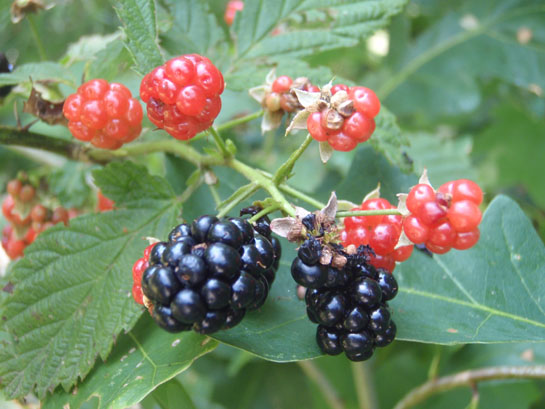
Yes, the berries are delicious, but did you know that blackberry leaves are helpful for diarrhea? Or that, thanks to their astringent nature, they can be made into a mouthwash? Make an infusion (like a tea) by pouring near-boiling water over the leaves and let steep 5 to 10 minutes. The standard ratio is about 2.5 ounces (75 grams) of fresh leaf, or 1 ounce (30 grams) of dried herb to one cup of hot water. The infusion must be taken the day it is made. Take as a mouthwash by using the tea dosage.
**
2. Lemon Balm**
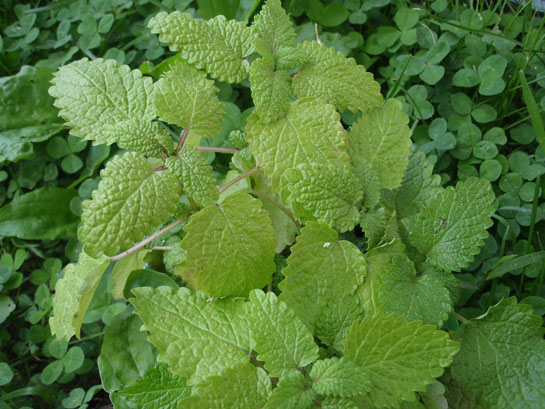
Make the best lemonade you’ve ever tasted by adding bruised lemon balm leaves to the drink. This plant also makes an outstanding topical agent for cold sores, and it is often used as a calming “nightcap” tea to fight insomnia. Germany’s Commission E (their version of our FDA) lists lemon balm as a more effective remedy for cold sores than the leading prescription medicine. Crush the fresh leaves and bind them over the sores, or use a cream containing a high concentration of lemon balm.
3. Lavender

Typically employed as a fragrance today, lavender has been used since ancient times to repel insects; to treat bug bites, burns, and skin disorders; to relieve itching and rashes; and to reduce swelling. Apply the crushed fresh leaves to the affected area, or fill a jar with dried leaves and cover them with olive oil. Let this soak for 6-8 weeks, and decant the oil as a lavender-infused medicinal oil for skin problems. Lavender is not to be taken internally by pregnant and nursing women or small children.
The Midnight Troubadour

Tough and timeless, this polo is built for the long ride. Featuring a crisp, non-collapsing collar and a rugged, stretchy fabric, it's the perfect shirt for any cowboy's wardrobe.
4. Comfrey
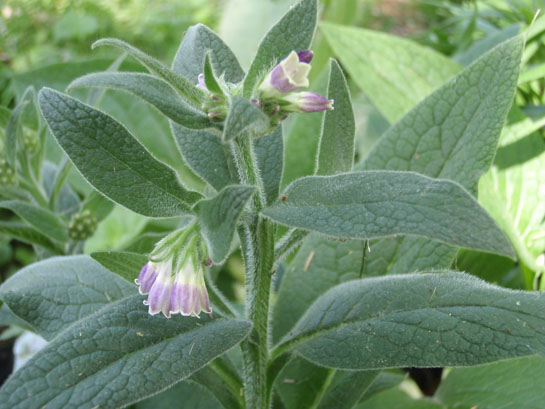
Cooked, mashed roots of comfrey used as a topical treatment is great for arthritis, bruises, burns, and sprains. Just don’t eat it: Recent research shows that it is damaging to the liver if consumed in quantity. Due to variations in pyrrolizidine alkaloi
Source: https://www.outdoorlife.com/blogs/survivalist/2014/05/survival-skills-14-wild-medicinal-plants/
