
Whether you’re in the wilderness or on the couch, you’re never that far away from a spider. Happily, most of the approximately 40,000 world-wide spider species are harmless to humans. However, the most venomous spiders in the world can do real damage. A bite from one could even kill you. In this article I’ll rank the 10 most dangerous spiders in the world and provide photos of their bites (graphic image warning).
I based the rankings on how common the spider is, how aggressive it is, and how deadly its venom is to humans. While everyone’s immune system reacts differently to a spider bite (symptoms can range anywhere from pain and nausea to death), we should all be cautious of the following arachnids.
Brazilian Wandering Spider
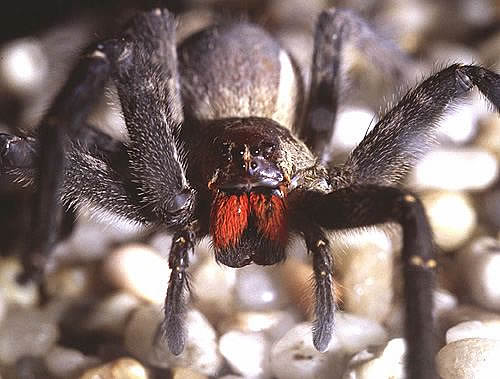
The Brazilian Wandering Spider is a large brown spider similar to North American Wolf Spiders, but bigger and possessing a more toxic venom (consider it one of the most venomous spiders out there). It has the most neurologically active venom of all spiders, and is regarded as the most dangerous spider in the world. Brazilian Wandering Spiders are active hunters and travel a lot. They tend to crawl into cozy, comfortable places for the night and sometimes crawl into fruits and flowers that humans cultivate and consume. If the spider has a reason to be alarmed, it will bite in order to protect itself. But unless startled or aggravated, most bites will be delivered dry (without venom). Venom bites will occur if the spider is pressed against something or injured. In this case, the high levels of serotonin contained in the venom will deliver a very painful bite that can result in muscle shock.
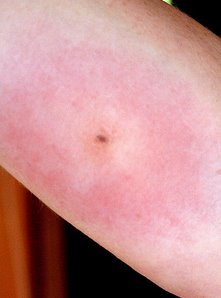
Occasional deaths have occurred even after antivenin treatment. Children are more sensitive to the bites of wandering spiders, as the spiders often make threat gestures (such as raising up their legs, or hopping sideways on the ground), which might entice a curious child. Children have weaker immune systems, and even if antivenom is quickly administered, death can occur within minutes after the bite.
The Midnight Troubadour

Tough and timeless, this polo is built for the long ride. Featuring a crisp, non-collapsing collar and a rugged, stretchy fabric, it's the perfect shirt for any cowboy's wardrobe.
Black Widow Spider

Black widows are notorious spiders identified by the red, hourglass-shaped mark on their abdomens. Several species answer to the name, and they are found in temperate regions around the world. Approximately 5 percent of the reported bites were fatal prior to the invention of Widow spider antivenin. One of their favorite haunts is an old fashioned outhouse. Sixty-three deaths were reported in the United States between 1950 and 1959, most of which occurred in or around a woodpile or outhouse. But with the modernization of home plumbing and heating, black widow bites are now rare.
The Black Widow Spider Bite
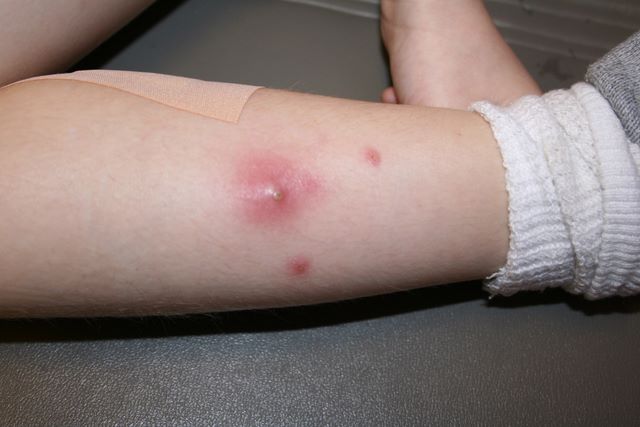
This spider’s bite is much feared because its venom is reported to be 15 times stronger than a rattlesnake’s. In humans, bites produce muscle aches, nausea and a paralysis of the diaphragm that can make breathing difficult; however, contrary to popular belief, most people who are bitten suffer no serious damage—let alone death. But bites can be fatal, usually to small children or the elderly. Fatalities are fairly rare. The spiders are nonaggressive and bite only in self-defense, such as when someone accidentally sits on them.
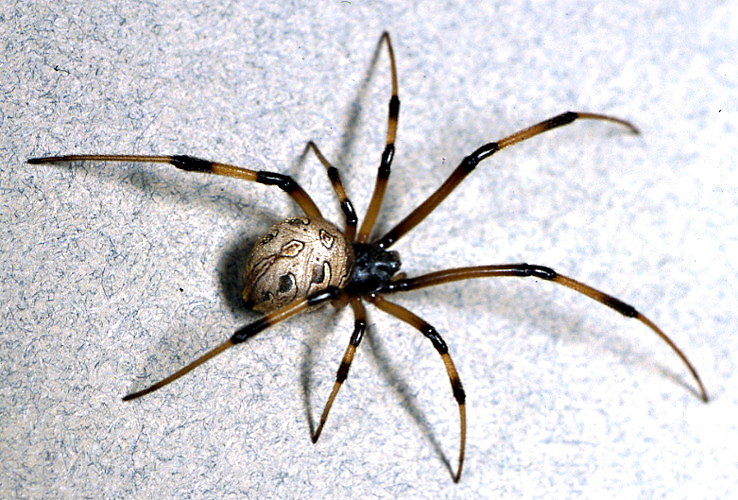
Brown Widow Spider
 https://www.outdoorlife.com/photos/gallery/survival/2011/10/10-most-dangerous-spiders-world/